
Humanoid Robots
Anthropomorphic bipedal androids designed to operate in human spaces, use human tools, and perform general-purpose home and industrial tasks.
Showing 15 of 15 models
 TRENDING
Sanctuary AI Phoenix
General-purpose humanoid robot powered by Carbon, a cognitive AI architecture integrating human-like hydraulic hand dexterity with vision and sensory intelligence.
 TRENDING
Tesla Optimus Gen 2
Tesla’s next-generation bipedal general-purpose humanoid robot powered by end-to-end Full Self-Driving neural networks and custom high-torque actuators.
 NEW
Unitree G1
The world’s first mass-market accessible humanoid robot, delivering 23-43 degrees of freedom, dynamic agility, and 3D LiDAR perception at an unprecedented $16,000 price point.
 NEW
1X NEO Beta
Engineered specifically for the home: a bio-inspired, soft-exterior humanoid featuring quiet muscle-like tendon actuators safe for children and domestic pets.
 NEW
Figure 02
The world’s first commercially deployed conversational humanoid robot, co-developed with OpenAI, currently assembling sheet metal components at BMW Spartanburg.
 NEW
Boston Dynamics Atlas (All-Electric)
The next evolution of Atlas: completely electric, stronger, sleeker, and engineered with continuous 360-degree joint rotation for superhuman industrial efficiency.
 NEW
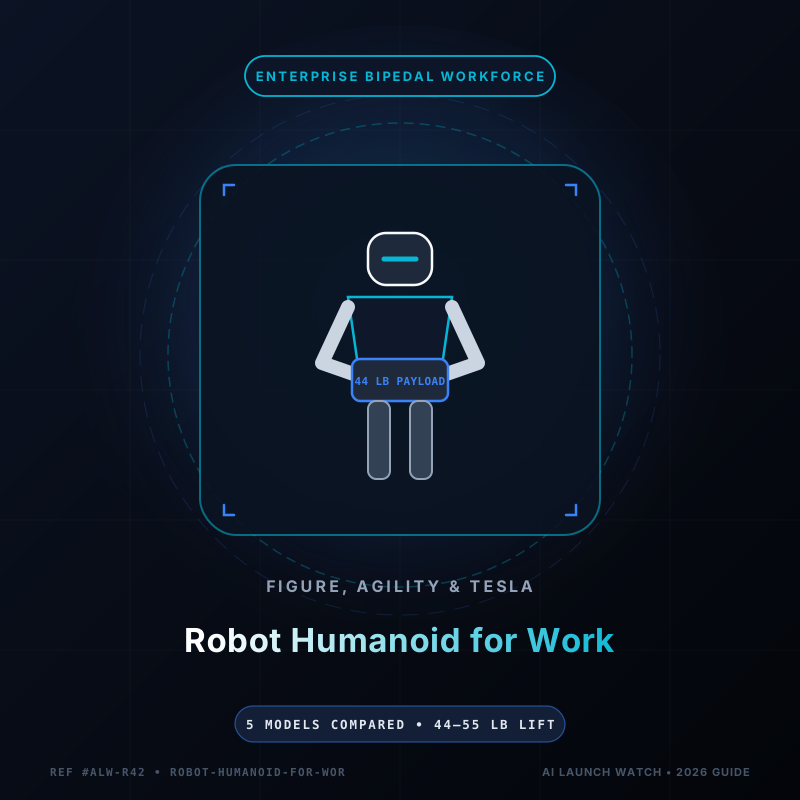
Robot Humanoid for Work (Commercial Bipedal Fleet Comparison)
Why build a Robot Humanoid for Work with two legs and two hands instead of wheels? Because 100% of global factories, staircases, narrow aisles, and hand tools were built for the human body. Here is the definitive 2026 enterprise comparison of the top 5 commercial working humanoids.
 NEW
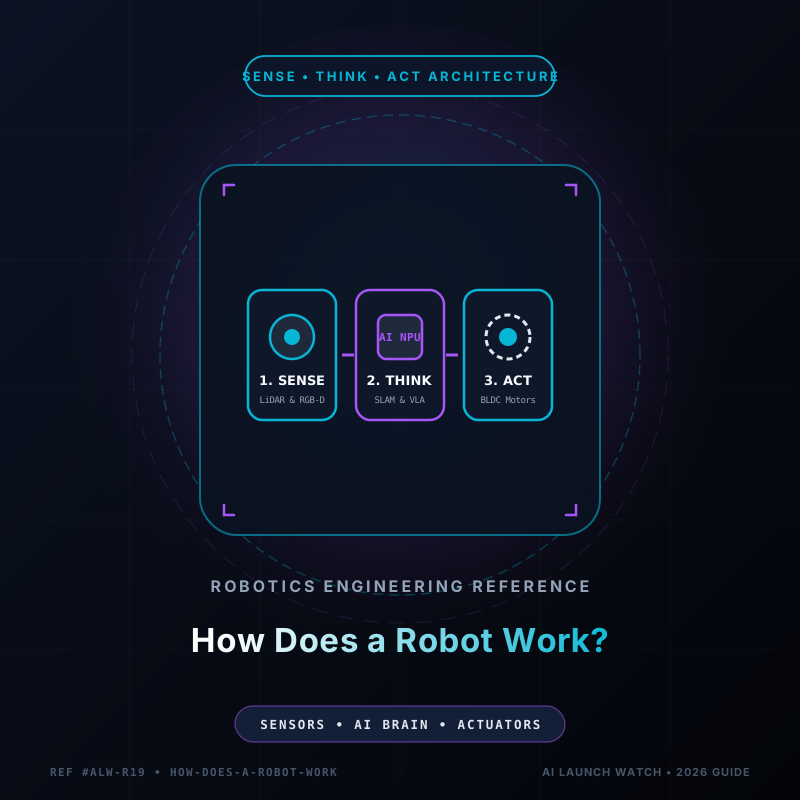
How Does a Robot Work? (Sense-Think-Act Architecture Guide)
How does a robot work under the hood? Every robot—from a $300 home vacuum to a $50,000 bipedal humanoid—operates on the continuous 'Sense → Think → Act' feedback loop powered by five core anatomical subsystems.
 NEW
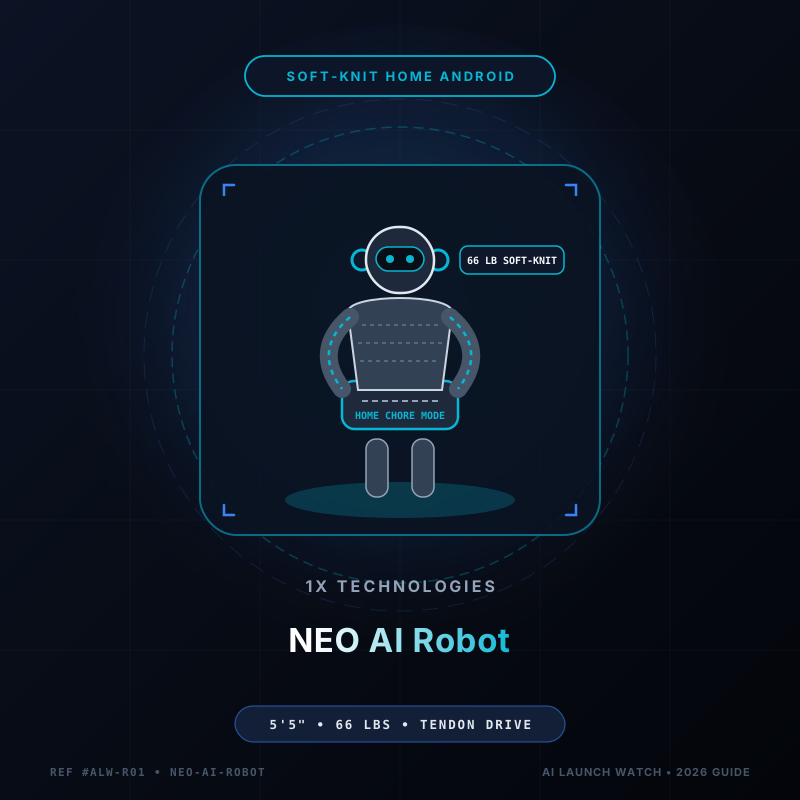
NEO AI Robot (1X NEO Home Humanoid Guide)
The NEO AI Robot by Norwegian-Californian robotics pioneer 1X Technologies is a 66-pound, soft-knit bipedal humanoid engineered specifically for safe, everyday household assistance, tidying, and natural conversation.
 NEW
US AI Robot Makers (American Humanoid & Defense Leaders)
The United States leads the global software and foundation-model race in physical AI. This comprehensive profile covers the top US AI robot manufacturers—Tesla, Figure AI, Boston Dynamics, Agility Robotics, and Apptronik—comparing their neural architectures, US factory plants, and commercial specs.
 NEW
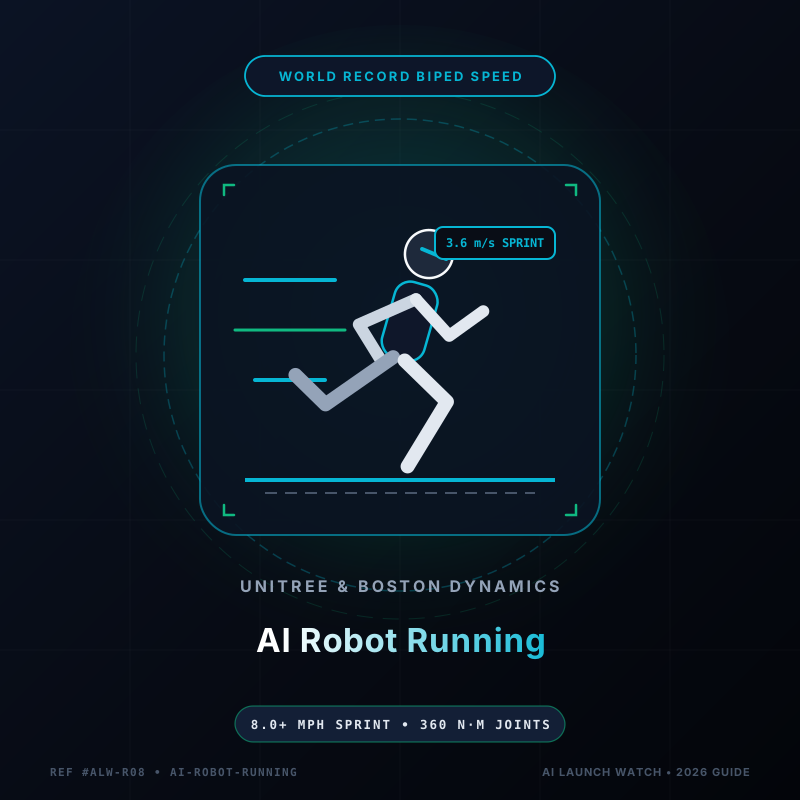
AI Robot Running (Unitree H1, Atlas & High-Speed Bipeds)
AI robot running has shattered biomechanics records in 2026—with bipedal humanoids like Robot Era STAR1 and Unitree H1 sprinting past 8 mph (3.6 m/s) and quadruped robots like Black Panther 2.0 reaching 22+ mph using reinforcement learning.
 NEW
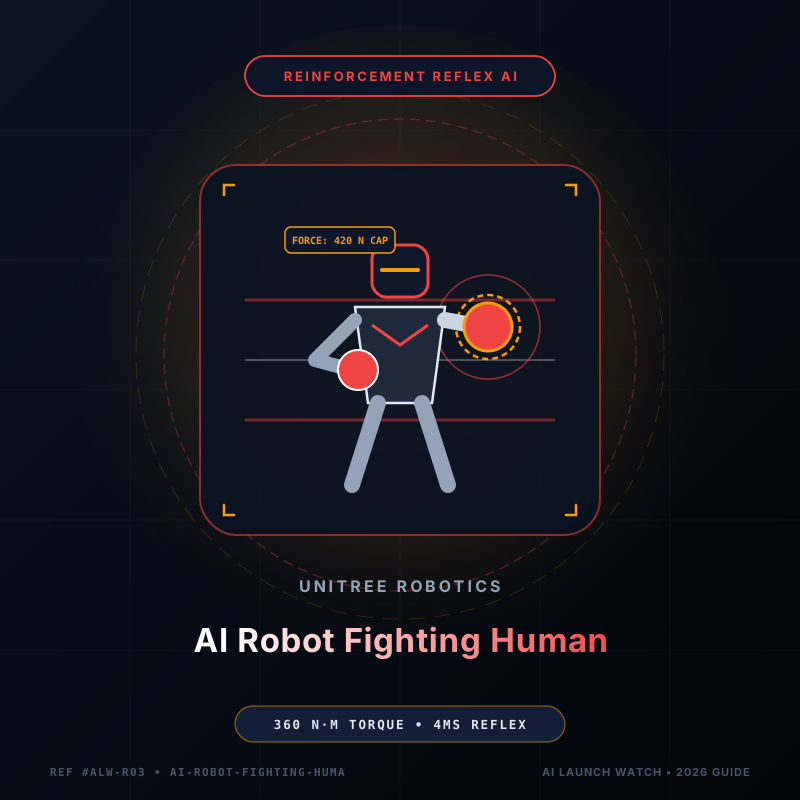
AI Robot Fighting Human (Combat Sparring & Athletic Bots)
From viral engineer kick-tests on the Unitree G1 and Boston Dynamics Atlas to high-speed AI boxing sparring robots like StrikeBot, 'AI robot fighting human' technology showcases whole-body reinforcement learning and sub-5ms balance recovery.
 NEW
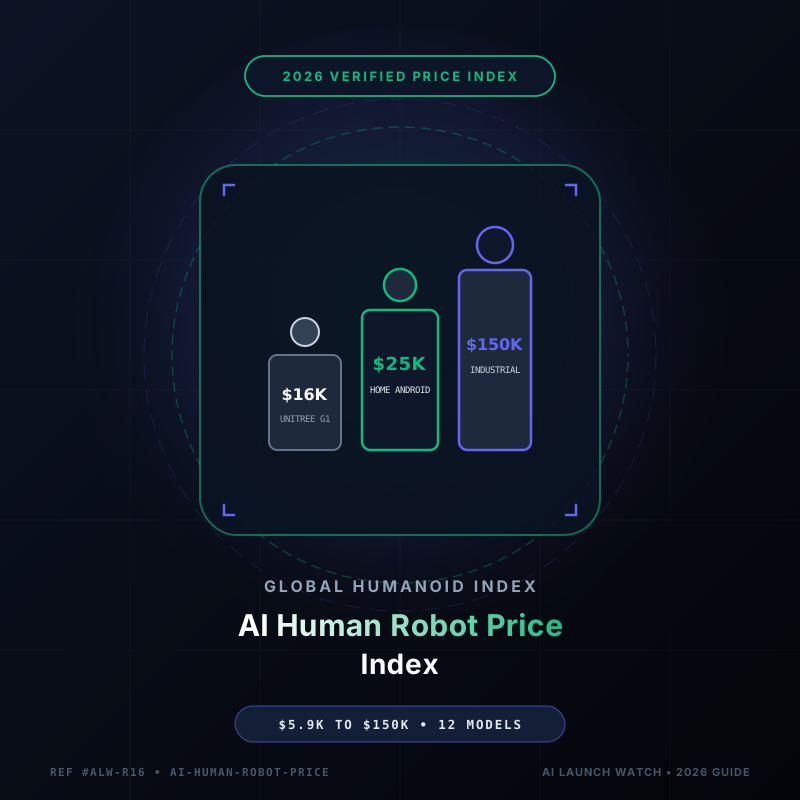
AI Human Robot Price Index (2026–2027 Humanoid Cost Guide)
How much does an AI human robot actually cost in 2026? From Unitree's sub-$16,000 consumer humanoids to $25,000 home butler targets (Tesla Optimus & 1X NEO) and $80,000+ industrial bipeds, here is the complete 2026 AI Human Robot Price Index.
 NEW
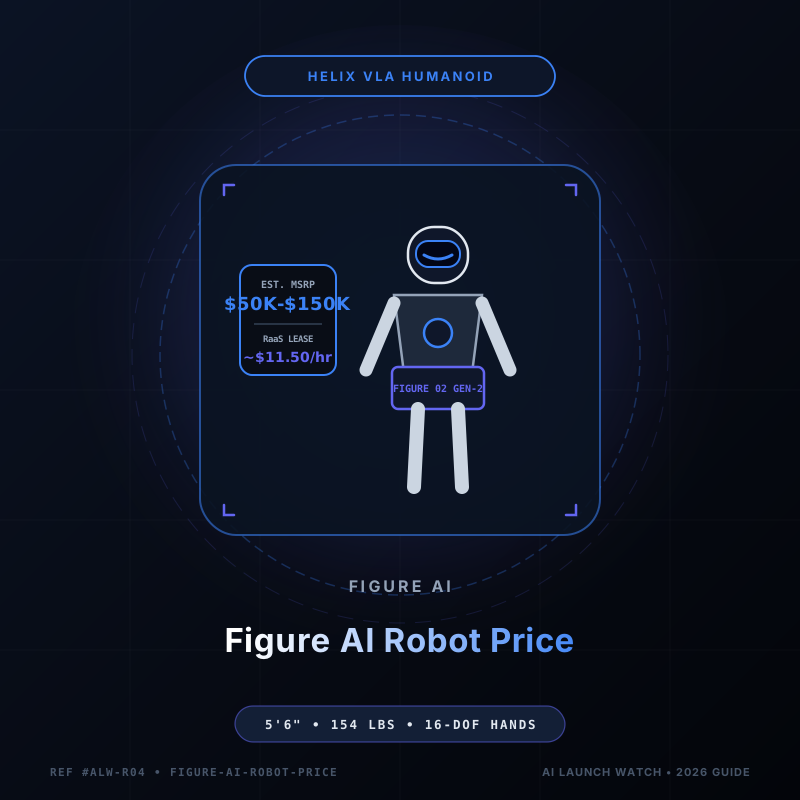
Figure AI Robot Price (Figure 02 & 03 Cost & Lease Breakdown)
A complete, transparent pricing and specification profile of Figure AI's flagship humanoid robots (Figure 02 and next-gen Figure 03), detailing enterprise unit purchase costs, Robotics-as-a-Service (RaaS) hourly rates, and Helix VLA capabilities.
 NEW
UBTech Walker S
UBTech Walker S is an industrial humanoid robot designed for factory floor tasks like assembly, material handling, and logistics, with advanced bipedal locomotion and dual-arm manipulation capabilities.
The Humanoid Robotics Landscape
Key Evaluation Criteria
Frequently Asked Questions About Humanoid Robots
What are the best AI humanoid robots available in 2026?
The top humanoid robots in 2026 include Unitree G1 (available from $16,000), 1X NEO Beta, Tesla Optimus Gen 2, Figure 02, Boston Dynamics Electric Atlas, Agility Robotics Digit, and Apptronik Apollo.
Can consumers buy a humanoid robot for home use today?
Developer and research humanoids such as the Unitree G1 and H1 can be ordered directly today, while domestic consumer humanoids like 1X NEO and Tesla Optimus are transitioning from limited home pilot programs toward broader consumer pre-orders.
How long do humanoid robot batteries last on a single charge?
Most bipedal humanoid robots operate for 1.5 to 4 hours per charge depending on payload manipulation and walking speed, with industrial models supporting autonomous dock recharging or hot-swappable battery packs.
How do humanoid robots learn new physical tasks?
Modern humanoids use Vision-Language-Action (VLA) foundation models trained via imitation learning (VR teleoperation trajectories) and reinforcement learning in GPU physics simulators such as NVIDIA Isaac Lab.
Explore Robotics Hubs & Categories
Navigate hardware specifications, pricing guides, and editorial benchmarks across categories.